Ultimate Guide to the Best WordPress Hosting Plans: Choosing the right hosting is crucial for a successful WordPress website. This guide dives deep into the world of WordPress hosting, exploring various options from shared to managed solutions. We’ll dissect key factors like performance, security, scalability, and support, empowering you to make the best decision for your site’s future.
We’ll analyze top providers, compare features and pricing, and ultimately help you find the perfect hosting plan that scales with your website’s growth and needs. From understanding the basics to selecting the ideal provider, we’ll equip you with the knowledge to build a robust and reliable online presence.
This comprehensive guide provides a detailed breakdown of various hosting options. We’ll explore the technical nuances, outlining crucial considerations like server resources, uptime guarantees, and security measures. By comparing different providers and their plans, we’ll help you navigate the complexities and find the best fit for your specific needs and budget. Ultimately, understanding these factors will ensure your WordPress site is not just online, but performing optimally and securely.
Introduction to WordPress Hosting
WordPress powers millions of websites, from personal blogs to massive e-commerce stores. Choosing the right hosting plan is crucial for website performance, security, and scalability. A reliable hosting provider ensures your WordPress site is accessible, fast, and secure. This crucial aspect is often overlooked but is critical to success.WordPress hosting provides the infrastructure necessary for a WordPress website to function.
This encompasses the servers, storage, and technical aspects required for hosting files, databases, and ensuring the website is accessible online. It’s the foundation upon which your online presence is built.
Choosing the right WordPress hosting is crucial for website performance. Understanding fundamental concepts like what Localhost is What is Localhost can significantly help your decision-making process. This Ultimate Guide to the Best WordPress Hosting Plans will cover all the key factors to ensure your site runs smoothly and efficiently.
Different Types of WordPress Hosting
Various hosting options cater to diverse needs and budgets. Understanding the distinctions is key to selecting the optimal plan.
- Shared Hosting: This is the most budget-friendly option, suitable for smaller websites with limited traffic. Multiple websites share the same server resources. This approach is cost-effective but can experience performance limitations during peak hours if the server is overloaded.
- VPS Hosting (Virtual Private Server): VPS hosting offers more dedicated resources than shared hosting, allowing for better performance and scalability as your website grows. A virtual machine provides dedicated server resources, ensuring improved performance and security compared to shared hosting. VPS hosting is a good middle ground between shared and dedicated hosting.
- Dedicated Hosting: This option provides a complete server dedicated to a single website. This offers the highest level of performance and control, ideal for high-traffic websites or those requiring extensive customization. Dedicated servers are tailored to meet the specific needs of the website, offering superior performance and security compared to other options.
- Managed WordPress Hosting: Managed WordPress hosting takes care of the technical aspects of running a WordPress website, such as updates, backups, and security. This simplifies the process for users who want to focus on content creation rather than technical maintenance. It is designed to streamline the process of running a WordPress website, eliminating the need for extensive technical expertise.
Choosing the right WordPress hosting is crucial for website performance. Understanding cloud-based hosting options, like The Most Flexible Web Hosting Plans Tailored for Cloud , is key. This comprehensive guide helps you navigate the landscape of WordPress hosting plans, ensuring you select the perfect one for your needs and future growth.
Factors to Consider When Choosing a Hosting Plan
Several key factors influence your choice of WordPress hosting. These factors are crucial for selecting the right hosting for your needs.
- Website Traffic: The projected volume of visitors to your site directly impacts the required server resources. Higher traffic demands more powerful hosting.
- Website Features: Features like e-commerce functionalities or complex integrations may require more resources.
- Budget: Hosting plans vary significantly in price. Compare features and costs to find the best value.
- Technical Support: Reliable customer support is essential for resolving technical issues.
- Security Features: Robust security measures are vital to protect your website from threats.
Comparison of WordPress Hosting Types
The following table provides a concise overview of different hosting types.
| Hosting Type | Resources | Support | Pricing |
|---|---|---|---|
| Shared Hosting | Limited resources; shared server | Basic support | Lowest cost |
| VPS Hosting | More dedicated resources | Advanced support | Mid-range cost |
| Dedicated Hosting | Entire server dedicated | Dedicated support | Highest cost |
| Managed WordPress Hosting | Optimized resources for WordPress | Specialized support | Variable cost; often higher than shared but lower than VPS |
Factors to Consider When Choosing a Plan
Choosing the right WordPress hosting plan is crucial for a website’s performance and growth. A poorly chosen plan can lead to slow loading times, downtime, and ultimately, a negative user experience. Understanding the key factors involved in selecting a hosting plan ensures your website thrives and scales effectively.Selecting the correct hosting plan involves more than just price; it’s about aligning resources with your website’s needs.
This meticulous approach ensures your website operates smoothly, handles traffic effectively, and remains secure.
Website Traffic and Anticipated Growth
Understanding your current and projected website traffic is paramount. A plan designed for low traffic may struggle under increased load, leading to performance issues. Consider the typical number of visitors your website receives and anticipate potential surges in traffic, such as during seasonal promotions or significant events. A hosting plan that can scale with your website’s growth is vital for maintaining optimal performance.
For instance, a small blog with a few hundred visitors monthly may thrive on a basic shared hosting plan, while an e-commerce store expecting thousands of daily visitors would require a more robust and scalable plan.
Server Resources (CPU, RAM, Storage)
Server resources directly impact website speed and responsiveness. Adequate CPU power handles processing requests efficiently, while sufficient RAM ensures smooth multitasking. Sufficient storage capacity is essential for hosting files, images, and databases. Insufficient resources can result in slow loading times, frequent server errors, and ultimately a poor user experience. For example, if your website heavily relies on multimedia content, ample storage space is a critical requirement.
A high volume of users interacting with a dynamic website necessitates a considerable amount of RAM and CPU.
Uptime Guarantees and Support Availability
Uptime guarantees and support availability are essential for website reliability. High uptime ensures your website remains accessible to visitors, preventing lost revenue and frustrating users. A reputable hosting provider offers a high uptime guarantee, such as 99.9% or higher. Similarly, prompt and effective technical support is crucial for resolving issues promptly. This includes 24/7 support for immediate assistance.
A company that prioritizes customer support demonstrates a commitment to maintaining your website’s health and performance.
Security Features (Backups, Malware Protection)
Security features are critical for safeguarding your website from threats. Regular backups protect against data loss due to unexpected events, such as server failures or malware attacks. Robust malware protection safeguards your website from malicious attacks, ensuring your site remains operational and your data remains secure. For example, a well-configured firewall and regular security scans protect against unauthorized access and malicious software.
Pricing Models Comparison
| Hosting Plan Type | Shared Hosting | VPS Hosting | Dedicated Hosting | Cloud Hosting |
|---|---|---|---|---|
| Pricing Model | Pay-as-you-go, often tiered | Monthly/annual subscription | Monthly/annual subscription | Pay-as-you-go, often tiered |
| Scalability | Limited | Moderate | High | High |
| Control | Low | Moderate | High | Moderate |
| Performance | Dependent on server load | More consistent | High | High |
This table provides a general overview of pricing models for various hosting plans. The specific pricing and features will vary significantly depending on the hosting provider and the chosen plan.
Top WordPress Hosting Providers
Choosing the right WordPress hosting provider is crucial for website performance, security, and scalability. A reliable host ensures your website is accessible, loads quickly, and remains protected from threats. Understanding the strengths and weaknesses of various providers is essential for making an informed decision.Choosing a WordPress hosting provider is not a one-size-fits-all endeavor. Different providers cater to varying needs and budgets.
Factors like website traffic, storage requirements, and desired level of support should guide your selection. Analyzing the offerings of top providers and understanding their specific strengths and weaknesses is vital to optimizing your website’s performance and user experience.
Reputable WordPress Hosting Providers
Numerous reputable providers offer WordPress hosting solutions. Choosing a provider that aligns with your specific needs and budget is paramount. A reliable host should provide robust performance, security, and excellent customer support.
- Bluehost:
- SiteGround:
- HostGator:
- Kinsta:
- WP Engine:
Bluehost is a well-established provider known for its user-friendly interface and comprehensive support. It’s a popular choice for beginners and experienced users alike.
SiteGround is renowned for its speed and security features. It’s a top contender for high-traffic websites needing optimized performance.
HostGator offers a range of plans, from basic to advanced, catering to diverse needs. It’s a widely recognized name in the hosting industry.
Kinsta stands out with its managed WordPress hosting solutions. It’s an excellent choice for businesses demanding high performance and reliable uptime.
WP Engine is a popular managed WordPress hosting provider specializing in high-performance solutions. It is a suitable option for demanding websites.
Comprehensive Comparison of Top Providers, Ultimate Guide to the Best WordPress Hosting Plans
Evaluating the top providers involves considering their strengths and weaknesses across key areas. This comparison considers their performance, security, pricing, and support.
| Provider | Strengths | Weaknesses | Pricing | Support |
|---|---|---|---|---|
| Bluehost | Beginner-friendly interface, comprehensive support, affordable plans | May not be the fastest option for high-traffic sites | Starting from $2.95/month | 24/7 phone and live chat support |
| SiteGround | Excellent speed, security features, reliable uptime, good customer support | Can be more expensive than some competitors | Starting from $6.99/month | 24/7 live chat and phone support |
| HostGator | Wide range of plans, good value for money, user-friendly interface | May have occasional performance issues | Starting from $2.75/month | 24/7 live chat and phone support |
| Kinsta | Superior performance, managed hosting, high scalability | More expensive than other options, limited support for non-technical users | Starting from $30/month | 24/7 phone and live chat support |
| WP Engine | Optimized for speed and performance, reliable managed WordPress hosting | Pricier than many competitors, might have limitations for very small sites | Starting from $35/month | 24/7 phone and live chat support |
Pricing Models and Available Features
Each provider offers diverse pricing models with varying features. Comparing these aspects is crucial for choosing the right plan. A comprehensive analysis should include the included features, and the price-performance ratio.
- Shared Hosting:
- VPS Hosting:
- Dedicated Hosting:
- Managed WordPress Hosting:
Shared hosting is a budget-friendly option, but it might not be suitable for websites with high traffic. Shared resources can sometimes limit performance.
VPS hosting provides more control and resources than shared hosting, making it suitable for growing websites. The increased control comes at a higher price point.
Dedicated hosting provides the most resources and control, often necessary for large-scale websites or high-traffic applications. The price is commensurate with the level of resources and control.
Managed WordPress hosting simplifies website management and often comes with optimized performance. This is a convenient option for those who prefer streamlined WordPress management.
Features and Benefits of Different Plans
Choosing the right WordPress hosting plan is crucial for a website’s performance, scalability, and security. Different plans cater to varying needs, from personal blogs to large e-commerce stores. Understanding the features and benefits of each plan empowers you to make an informed decision that aligns with your website’s current and future requirements.Different hosting providers offer various plan configurations, including shared hosting, VPS hosting, dedicated hosting, and managed WordPress hosting.
Each type presents a unique set of features, impacting factors like website speed, resources, and overall management. Understanding these differences is key to selecting the optimal plan for your website.
Shared Hosting Plans
Shared hosting plans are the most budget-friendly option, ideal for beginners and small websites. They involve multiple websites sharing the same server resources. This means the performance of your site can be affected by the activities of other websites on the same server. However, shared hosting provides an excellent entry point for those new to website hosting.
- Basic Features: Shared hosting typically includes basic features like a limited amount of storage space, bandwidth, and CPU resources. These resources are shared among all users on the server, which can affect website performance during peak hours.
- Performance: Performance on shared hosting can fluctuate depending on server load. During high traffic periods, your site may experience slower loading times.
- Scalability: Scalability is limited in shared hosting. If your website experiences significant growth in traffic or user base, upgrading to a more robust hosting plan becomes necessary.
- Security: Security is often managed by the hosting provider, but the shared nature of the server means potential vulnerabilities from other sites on the same server can pose a risk.
VPS Hosting Plans
VPS hosting offers a balance between shared hosting and dedicated hosting. You get a virtual server that’s dedicated to your website, providing more control and resources compared to shared hosting.
- Enhanced Features: VPS hosting provides more resources like RAM, storage, and CPU compared to shared hosting. This often translates to improved performance, especially during peak hours.
- Performance: Performance is generally better than shared hosting due to dedicated resources. You can expect more consistent loading times.
- Scalability: VPS hosting offers greater scalability than shared hosting. As your website grows, you can easily upgrade your VPS resources to accommodate increased traffic and user demands.
- Security: Security is often improved compared to shared hosting, as your website is isolated on a virtual server.
Dedicated Hosting Plans
Dedicated hosting provides the most control and resources. You get a physical server entirely dedicated to your website.
- Complete Control: Dedicated hosting gives you complete control over the server, allowing you to install custom software and configure settings to your specific needs.
- Performance: Performance is typically the highest due to the exclusive access to the server’s resources.
- Scalability: Scalability is excellent, enabling you to easily adapt to the needs of a rapidly growing website.
- Security: Security is managed entirely by you, providing the highest level of control over your website’s protection.
Managed WordPress Hosting Plans
Managed WordPress hosting plans are specifically optimized for WordPress websites. These plans handle the technical aspects of WordPress hosting, freeing up your time to focus on content creation.
- Simplified Management: Managed WordPress hosting simplifies WordPress site management. Providers handle updates, backups, and security, saving you time and effort.
- Performance: Performance is often optimized for WordPress, leading to faster loading times and better user experience.
- Scalability: Scalability is typically managed automatically by the provider, enabling you to adjust resources easily as your website grows.
- Security: Security is often a key feature, with providers regularly updating security measures and implementing safeguards.
Table of Features and Benefits
| Hosting Plan | Features | Performance | Scalability | Security |
|---|---|---|---|---|
| Shared Hosting | Basic resources, affordable | Variable, can be affected by other sites | Limited | Managed by provider, potential shared vulnerabilities |
| VPS Hosting | Dedicated virtual resources | Generally better than shared | Good | Improved compared to shared |
| Dedicated Hosting | Entire physical server | High | Excellent | Full control |
| Managed WordPress Hosting | Optimized for WordPress, automated tasks | Optimized for WordPress performance | Good, often automatically scalable | Managed by provider, enhanced security measures |
Performance and Scalability of Plans
Choosing the right WordPress hosting plan hinges on understanding its performance and scalability. A slow website negatively impacts user experience and search engine rankings. A plan that can’t grow with your site’s needs will eventually become a bottleneck. Understanding how different plans handle traffic and content growth is crucial for long-term success.Effective hosting ensures fast loading times, reliable uptime, and a positive user experience.
Scalability, the ability to handle increasing traffic and content without performance degradation, is equally important. A well-chosen plan can accommodate your site’s future growth, avoiding costly and time-consuming migrations.
Impact of Different Plans on Website Performance
Different hosting plans employ varying technologies and resources. Shared hosting, the most budget-friendly option, typically utilizes multiple websites on a single server. This can lead to slower loading times and reduced performance if the server is overloaded. VPS hosting provides a dedicated portion of a server, improving performance and stability. Dedicated servers offer the most resources and control, leading to the fastest performance but at a higher cost.
The choice of hosting plan directly influences your website’s speed and responsiveness.
Scalability Considerations for Future Growth
The ability to accommodate increasing traffic and content is crucial. A plan that struggles under a moderate load will likely become a significant obstacle as your site grows. Consider your projected traffic volume and content size when evaluating hosting plans. A plan capable of handling anticipated growth will save you from costly migrations and performance issues down the road.
Evaluate the resources provided by each plan, including CPU, RAM, and storage capacity.
Identifying the Right Plan for Expected Traffic and Content
Analyzing your current traffic and projected growth is essential. If you anticipate significant traffic increases, consider a VPS or dedicated server. For smaller websites with limited traffic, shared hosting may suffice. Assess your website’s content size and future expansion plans. A plan with ample storage space will prevent performance issues due to content limitations.
Thoroughly research different plans to find one that matches your current and future needs.
Performance Metrics of Different Hosting Plans
| Hosting Plan | Loading Speed (Avg. ms) | Response Time (Avg. ms) | Uptime (%) | Support Response Time |
|---|---|---|---|---|
| Shared Hosting | 500-1500 | 200-500 | 99.9-99.5 | 24-48 hours |
| VPS Hosting | 200-800 | 100-300 | 99.95-99.99 | 4-8 hours |
| Dedicated Server | 100-500 | 50-200 | 99.99+ | Immediate/on-demand |
Note: Values are approximate and can vary based on specific server configuration, traffic load, and other factors.
Security and Reliability Considerations
Choosing a WordPress hosting provider isn’t just about speed and features; it’s critically about safeguarding your website and ensuring it’s accessible to your audience. Robust security measures and reliable uptime are paramount for maintaining user trust and achieving your online goals. A secure and reliable hosting platform protects your website from potential threats, keeps it operational, and allows your visitors to access your content without interruption.Ensuring your website’s security and reliability is crucial for maintaining user trust and achieving your online goals.
These factors often directly influence your website’s performance, user experience, and ultimately, its success. A compromised or inaccessible website can result in significant loss of revenue and reputation. Comprehensive security features and consistent uptime are essential for preventing such issues and building a thriving online presence.
Importance of Security in WordPress Hosting
WordPress websites are frequently targeted by cyberattacks due to their widespread use. Robust security measures are essential to protect against malware, hacking attempts, and data breaches. These measures include robust firewalls, intrusion detection systems, and regular security audits. Security features mitigate the risk of website downtime, data loss, and damage to your brand reputation. Implementing strong security protocols helps maintain the integrity of your website and user data.
Security Features Offered by Different Hosting Providers
Various hosting providers offer a range of security features. These features may include automatic malware scanning, intrusion prevention systems, and secure socket layer (SSL) certificates. The specific security features available vary significantly between providers, reflecting their commitment to website security. It’s crucial to evaluate the security measures offered by potential providers to select the best fit for your website’s needs.
Reliability of Hosting Plans in Terms of Uptime
Website uptime is a critical factor in maintaining user engagement and ensuring that your website is accessible when needed. Reliable hosting providers prioritize uptime and employ measures like redundant servers, robust infrastructure, and advanced monitoring systems to minimize downtime. High uptime percentages demonstrate a commitment to providing uninterrupted service and maintaining user trust.
Backup and Recovery Options
Regular backups are essential for data protection and recovery in case of unexpected events. Reliable hosting providers offer various backup and recovery options, allowing you to restore your website to a previous state if necessary. These options can include automatic backups, manual backups, and disaster recovery solutions. Choosing a provider with comprehensive backup and recovery options minimizes the risk of data loss and facilitates quick recovery from any unforeseen circumstances.
Comparison Table of Security Features
| Hosting Provider | Malware Scanning | Intrusion Prevention | SSL Certificates | Backup Options |
|---|---|---|---|---|
| Provider A | Automatic | Yes | Yes (Free) | Daily, manual |
| Provider B | Automatic, manual | Yes | Yes (Paid) | Daily, weekly, custom |
| Provider C | Automatic, manual | Yes | Yes (Free) | Daily, weekly |
Customer Support and Technical Assistance: Ultimate Guide To The Best WordPress Hosting Plans
Finding a WordPress hosting provider with reliable and responsive customer support is crucial for a smooth online experience. Poor support can lead to lost productivity, frustration, and ultimately, a negative impact on your website’s performance and user experience. Effective support is essential for troubleshooting issues, ensuring website uptime, and guiding you through technical challenges.Effective customer support goes beyond simply answering questions; it involves proactive assistance, swift resolution of problems, and the ability to empower users to maintain their websites independently.
This comprehensive support system allows for efficient problem-solving and minimizes downtime, which is a significant factor in maintaining a successful online presence.
Support Options Available from Hosting Providers
Various support options are available to address your hosting needs. These range from basic FAQs and knowledge bases to dedicated phone support, live chat, and email ticketing systems. Choosing the right support option depends on your comfort level and the complexity of the issue you’re facing. Some providers prioritize self-service options, while others offer more personalized, hands-on support.
Comparison of Support Responsiveness and Availability
The responsiveness and availability of support differ significantly between providers. Some providers have dedicated support teams that are available 24/7, ensuring immediate assistance during critical situations. Others have limited support hours, which can be a drawback if you encounter issues outside of those hours. Understanding the support hours and availability of each provider is vital in determining which provider aligns with your needs.
Ease of Troubleshooting and Problem-Solving
The ease with which you can troubleshoot problems and get them solved is a key differentiator. Some providers offer well-structured knowledge bases and detailed FAQs that allow you to resolve many issues independently. Others provide more personalized assistance, offering direct support through live chat or phone calls. The approach to problem-solving greatly impacts the user experience and overall satisfaction with the service.
Customer Support Contact Information and Response Times
| Hosting Provider | Contact Method | Typical Response Time |
|---|---|---|
| Provider A | Email, Live Chat | Within 1-2 hours (business hours) |
| Provider B | Email, Phone, Ticketing | Within 2-4 hours (business hours) |
| Provider C | Knowledge Base, Email | 24-48 hours (business hours) |
| Provider D | Live Chat, Phone | Within 1 hour (business hours) |
Note: Response times are estimates and may vary based on the complexity of the issue and current support volume.
Cost Analysis and Value Proposition
Understanding the pricing models of WordPress hosting is crucial for making an informed decision. Different providers offer various plans with varying features and performance levels, impacting the overall cost. Evaluating the value proposition, considering the features and performance, is key to getting the best bang for your buck. This section delves into the pricing models, cost drivers, and cost-benefit analysis to help you select the optimal hosting solution for your needs.WordPress hosting costs are influenced by several factors, including server resources, features, support, and the provider’s reputation.
Choosing a plan that aligns with your website’s current and projected needs is essential to avoid unnecessary expenses or underpowered hosting that hinders growth. A thorough analysis of the pricing structure and value proposition of different providers is essential for cost-effective website management.
Pricing Models of WordPress Hosting
Various pricing models are employed by hosting providers. Shared hosting, a cost-effective option, involves multiple websites sharing resources on a single server. VPS hosting provides dedicated resources, offering more control and performance but at a higher cost. Dedicated hosting offers the most resources and control, making it suitable for high-traffic websites. Managed WordPress hosting simplifies management with pre-configured environments and specialized support, but often comes with a premium price.
Understanding these distinctions is crucial for aligning your choice with your website’s needs.
Factors Influencing WordPress Hosting Costs
Several factors significantly impact the cost of WordPress hosting. Server resources, including RAM, CPU, and storage space, directly affect the plan’s price. The level of technical support provided and the provider’s reputation also influence pricing. The features included in a plan, such as security measures, backups, and caching plugins, can also affect the overall cost. Finally, the provider’s location and infrastructure play a role in the final price.
Breakdown of Costs for Different Plan Levels
This table provides a simplified example of the potential cost differences across various WordPress hosting plan levels. The specific pricing will vary based on the provider and their current promotions.
| Plan Level | Monthly Cost (Example) | Key Features | Value Proposition |
|---|---|---|---|
| Shared Hosting | $5 – $25 | Basic server resources, shared environment | Affordable entry-level option for small websites |
| VPS Hosting | $25 – $100 | Dedicated resources, increased control | Good balance of cost and performance for growing websites |
| Managed WordPress Hosting | $50 – $200 | Pre-configured environment, specialized support | Simplified management and optimized performance for complex websites |
| Dedicated Hosting | $100+ | Full server control, optimal performance | Best option for high-traffic websites and complete customization |
Cost-Benefit Ratio Comparison
A thorough analysis of the cost-benefit ratio is crucial. A high-cost plan might offer superior performance and features, but may not be necessary for smaller websites. Balancing the price with the features and expected website traffic is vital. For example, a small blog might find shared hosting to be a cost-effective solution, whereas a large e-commerce site might benefit from the scalability and control offered by VPS hosting.
A strong cost-benefit analysis considers both the price and the features of the plan to ensure the best possible value for your money.
Choosing the Right Plan for Your Needs
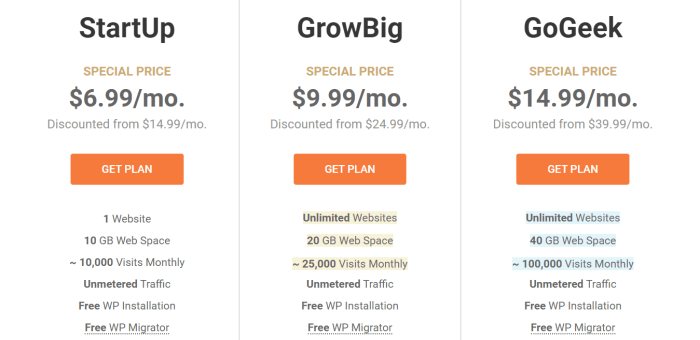
Finding the perfect WordPress hosting plan can feel like navigating a maze. But armed with the right approach, you can confidently choose a solution tailored to your website’s specific requirements. This crucial step ensures optimal performance, security, and scalability as your site grows. Avoid costly mistakes by carefully evaluating your needs and selecting a plan that aligns with your budget and future aspirations.Choosing the right WordPress hosting plan is not just about picking the cheapest option; it’s about finding the best value for your money and ensuring your website’s long-term success.
A poorly chosen plan can lead to performance issues, security vulnerabilities, and ultimately, a frustrating experience for both you and your visitors.
Website Requirements Assessment
Understanding your website’s current and future needs is fundamental to choosing the right hosting plan. This assessment involves several crucial factors. Consider the projected traffic, the complexity of your website, and the resources required for plugins and themes. Analyzing your existing website’s traffic patterns, especially during peak hours, will provide valuable insights into the hosting plan’s necessary resources.
Evaluating Hosting Provider Options
Thorough research is key to choosing a reliable hosting provider. Look beyond the initial price tag and delve into the provider’s reputation, customer support, and track record. Evaluate their server infrastructure, security measures, and uptime guarantees. A strong reputation, positive reviews, and a history of consistent uptime are critical indicators of a reliable hosting partner.
Plan Selection Checklist
This checklist will guide you through a systematic evaluation process, ensuring you select a hosting plan that matches your website’s needs.
- Website Traffic Projections: Estimate your expected website traffic, both in terms of daily visitors and peak traffic periods. Consider anticipated growth in traffic over the next year or two.
- Website Complexity: Assess the complexity of your website. A simple blog will require less resources than an e-commerce site with many products and complex features.
- Resource Requirements: Determine the necessary resources like storage space, bandwidth, and processing power based on your website’s features and anticipated traffic. Analyze the resource demands of your plugins and themes.
- Budget Considerations: Establish a realistic budget for your hosting plan. Compare pricing across different providers and plans, considering long-term costs.
- Customer Support Evaluation: Investigate the quality and responsiveness of the hosting provider’s customer support. Look for options like live chat, email support, and phone support.
- Security Features: Assess the security features offered by the hosting provider. Look for features like malware scanning, intrusion detection systems, and data backups.
- Uptime Guarantees: Examine the uptime guarantees offered by the hosting provider. A higher uptime percentage generally translates to a more reliable hosting experience.
Determining the Suitable Plan
After meticulously evaluating your website’s requirements and potential hosting providers, the next step is to compare the available plans. A detailed comparison of various plans, focusing on the specific resources and features offered by each, is essential. This involves a comprehensive review of available plans, their resource allocation, security measures, and customer support. Carefully consider the price-to-performance ratio and the scalability of each plan.
Example: Choosing a Plan for a Growing Blog
For a rapidly growing blog, a shared hosting plan might be suitable initially. As traffic increases, you can migrate to a VPS or dedicated server for better performance and resources. This adaptable approach is crucial for long-term growth. Consider the growth potential and plan for future needs to avoid unexpected performance bottlenecks.
Outcome Summary
In conclusion, selecting the right WordPress hosting plan is a critical step in launching and maintaining a successful website. This guide has provided a comprehensive overview of the essential factors to consider, from the initial setup to long-term scalability. We’ve examined the diverse hosting types, highlighted key providers, and analyzed crucial elements like performance, security, and support. By carefully evaluating your website’s needs and utilizing the information presented here, you can confidently choose a hosting plan that supports your growth, ensures optimal performance, and keeps your site secure.
Remember, the right hosting plan is an investment in your website’s future.